
¡Felicidades! Your child made it into the two-way Dual Language program. Now you actually have to practice or learn Spanish for the first time ever! DO NOT PANIC, I am here to help! Below are 10+ print and lifestyle recommendations that will introduce Español into your home seamlessly.
Note: I link to amazon because you can view the inside of a lot of titles. Be aware you can check these out from your local library or place them in Interlibrary Loan if not available. I show you how to place an ILL in through BCLS in this post and FBCL in this one.
This post also assumes that although you may not be fluent in Spanish, you have a working idea of how the language works by having taken classes in high school or college. Otherwise, check out my post on how to teach to read in Spanish!
Of course, a “my first Spanish words” dictionary should be on the list, but not at first. I think for Kindergarteners and 1st graders even a picture dictionary seems bogging and boring. My suggestion is to start with what they already know, such as translated nursery rhymes, fairy tales, or classic children’s books and leave the dictionary as a study tool.
1. Susan Middleton Elya
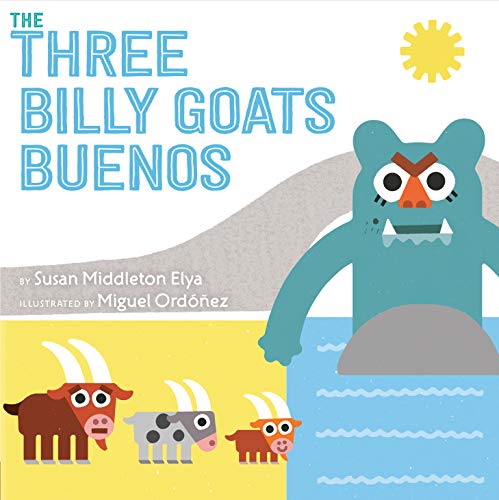
If anyone is going to support English speakers learning Spanish it is hands down Middleton Elya! Born and raised in the Midwest, her interest in the Spanish language and culture has led her to publish almost 30 HIGH QUALITY Spanglish children’s picture books, with the above title being her latest publication. I love all her fractured fairy tales (and books, really): The Princesa and the Pea won multiple awards, as well as Rubia and the Three Osos. You may recognize La Madre Goose from my blog cover. While her early 1990s publications may be lacking in illustrations, Fire! Fuego! Brave Bomberos is illustrated by the renowned illustrator Dan Santat (When publishers realized, there was actually a market and interest in bilingual/Spanish pictures books, but that’s a rant for another post!)
Middleton Elya uses Spanglish in a clever way. It never annoys me as a fluent Spanish speaker, rather, I am impressed by her native-level understanding of the language. She usually has a cultural spin in all her books, carried many times by Hispanic/Latin-American illustrators, which shows a respectful “insider” view of the Hispanic and Latin-American cultures. All her books have a glossary of Spanish terms.
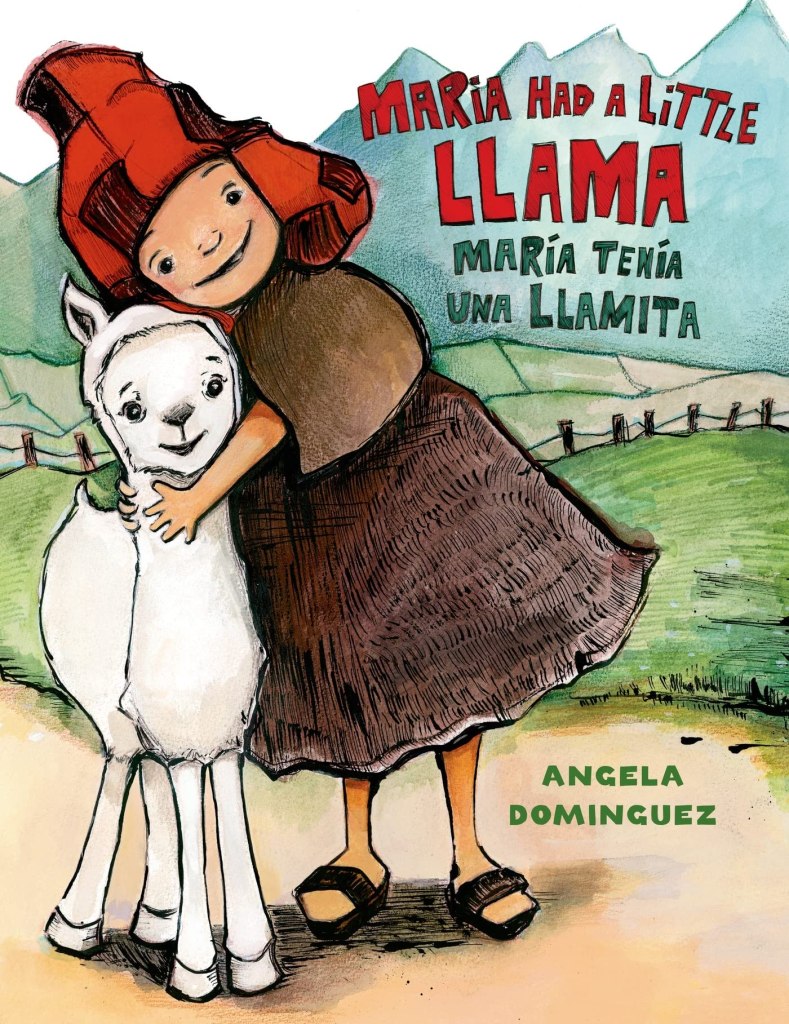
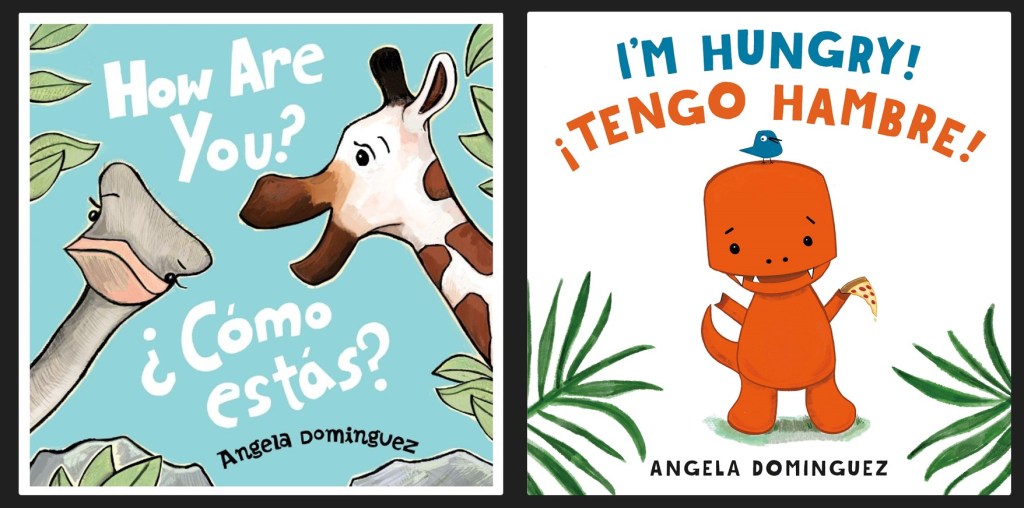
Piggy back riding on familiar nursery rhymes, I love Maria Had a Little Llama , a play on Mary Had a Little Lamb. Set in Peru, the scenery is breathtaking, and her llama scute! Dominguez, who authors and illustrates all her picture books, has other titles that are perfect introductions for kindergartners or first graders who have never spoken Spanish, including the titles below:
3. Vox Books: Books That Talk
A fairly recent product with quite the hefty price point ($45.95 a piece, almost $4,000 for the 89 Spanish/English book collection), you can go ahead and thank your library for carrying these, and treat them kindly when you check them out! Compared to the larger English-Spanish bilingual collection, Vox Publishing offers five book collections in Mandarin/Chinese/English, French, Russian, German, Korean and Arabic.
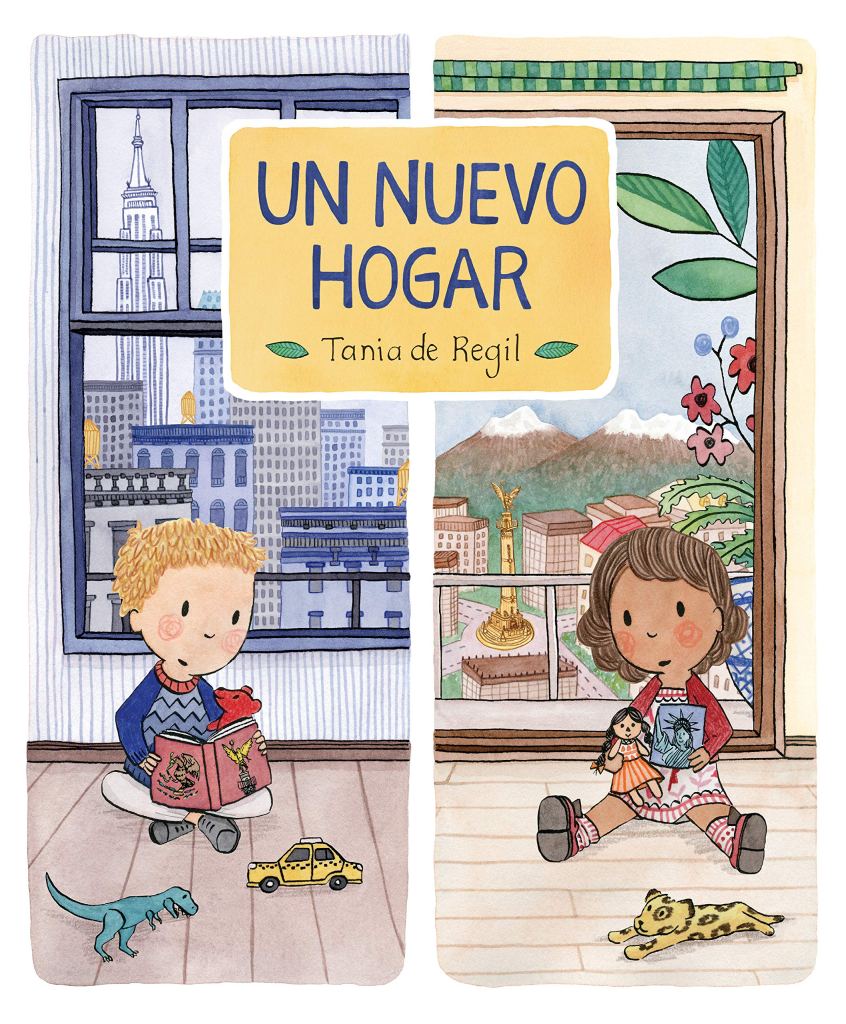
Vox Books are bilingual or Spanish translations and perfect for dual language students. If no one in your home speaks Spanish fluently, the narrator can read the book out loud. I particularly liked Un Nuevo Hogar because it shows the similarity between living in New York and Mexico City. The text is brief for beginning readers and the illustrations gorgeous. When a Vox Book is only in Spanish, you can seek out the English version: A New Home, in the case of Un Nuevo Hogar.
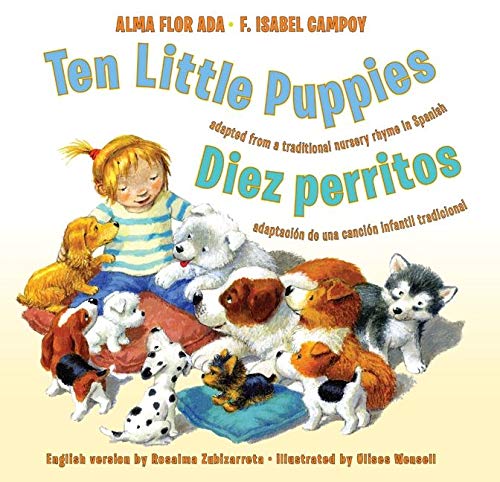
The best option for Vox Books is to walk into the library and see if they keep them in a certain section. You may also browse the Vox Publishing catalog and search on the library catalog for titles that interest you. Diez Perritos would be a fun Vox Book to check out, as it is a popular children’s song in Spanish! (I have not actually heard if the book is sung, however).
4. Steve Antony – Sr. Panda Series
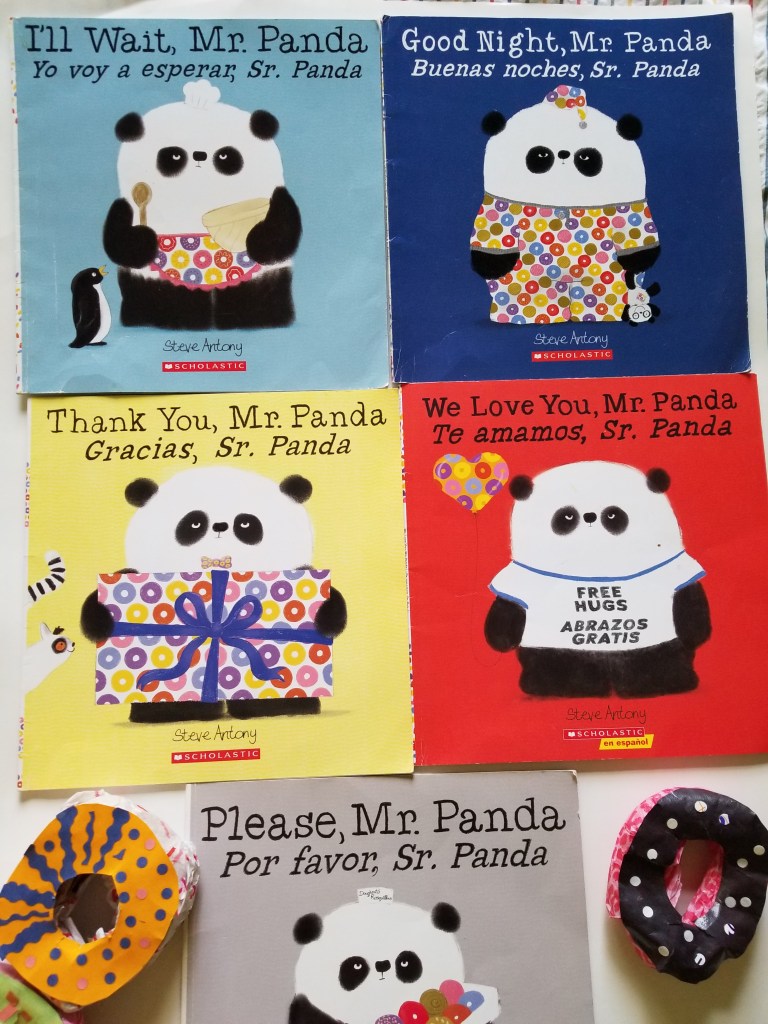
Your child may already be familiar with adorably grumpy Mr. Panda, and the whole series has been made bilingual (did you already know? I bet you didn’t know!). I love this series for beginning readers because the text and illustrations are sparse but carry so much punch paired together. For the most part, the translations are word for word, although vocabulary may differ regionally (donuts are called “rosquillas,” for example, but we call them “donas”).
5. Children’s Classic Book Translations
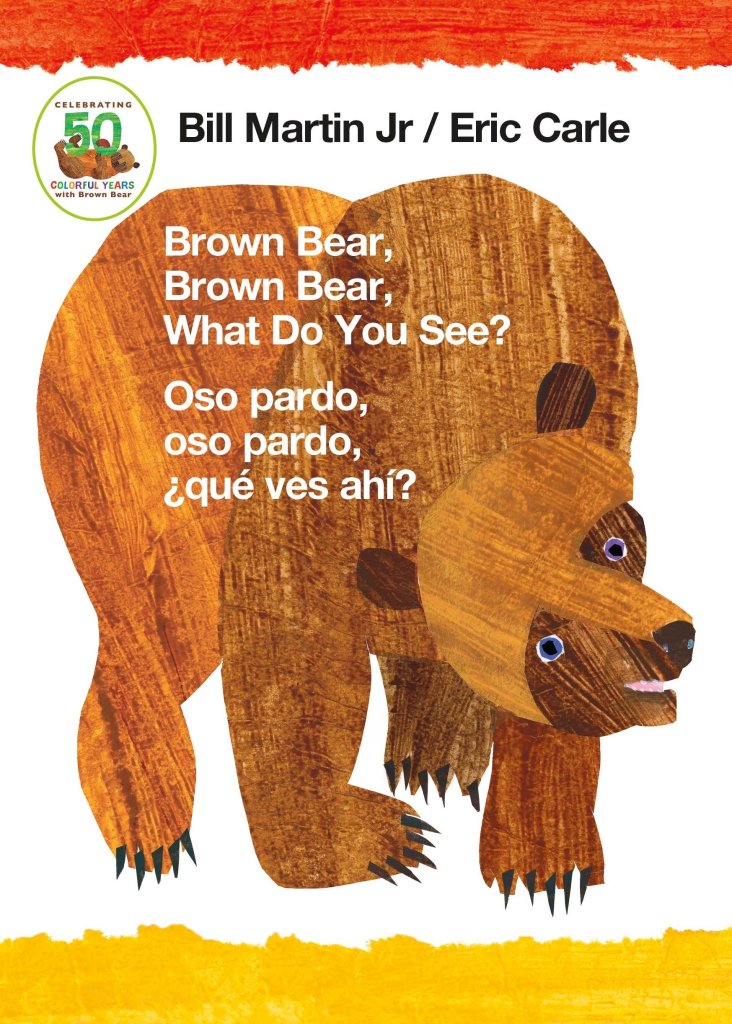
Eric Carle, Mo Willems, Jon Klassen, Dr. Seuss — ah wait, you may want to hold off on Dr. Seuss in Spanish, the man was clever but rambly, in my unpopular opinion—
Classic book translations can vary in reading and comprehension difficulty, given the original. La oruga muy hambrienta/The Very Hungry Caterpillar, for example, is best for more affluent Spanish speakers/readers. Think about titles that are easy in English, and their Spanish counterpart should follow suit. In this case, Oso Pardo works much better as it has a repeating phrase and introduces Spanish animal and color vocabulary in an engaging way. Other titles that are easy because of the brief text:
Margaret Wise Brown’s Good Night Moon/Buenas Noches, Luna

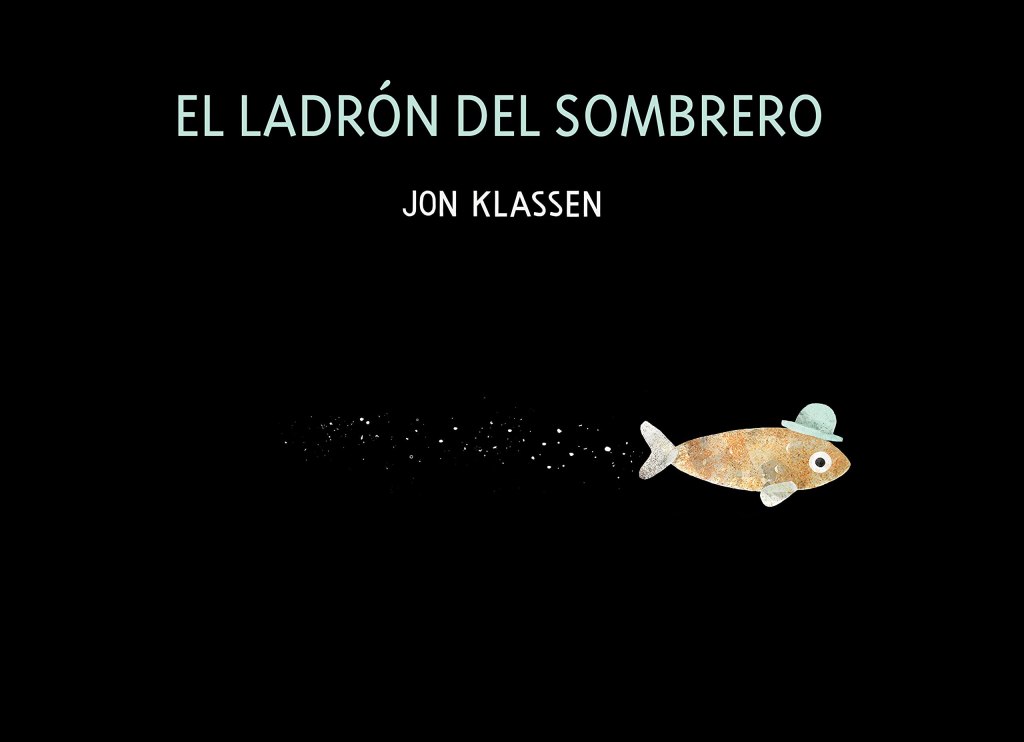
Jon Klassen’s hat trilogy, except Have you Seen My Hat has not yet been translated:

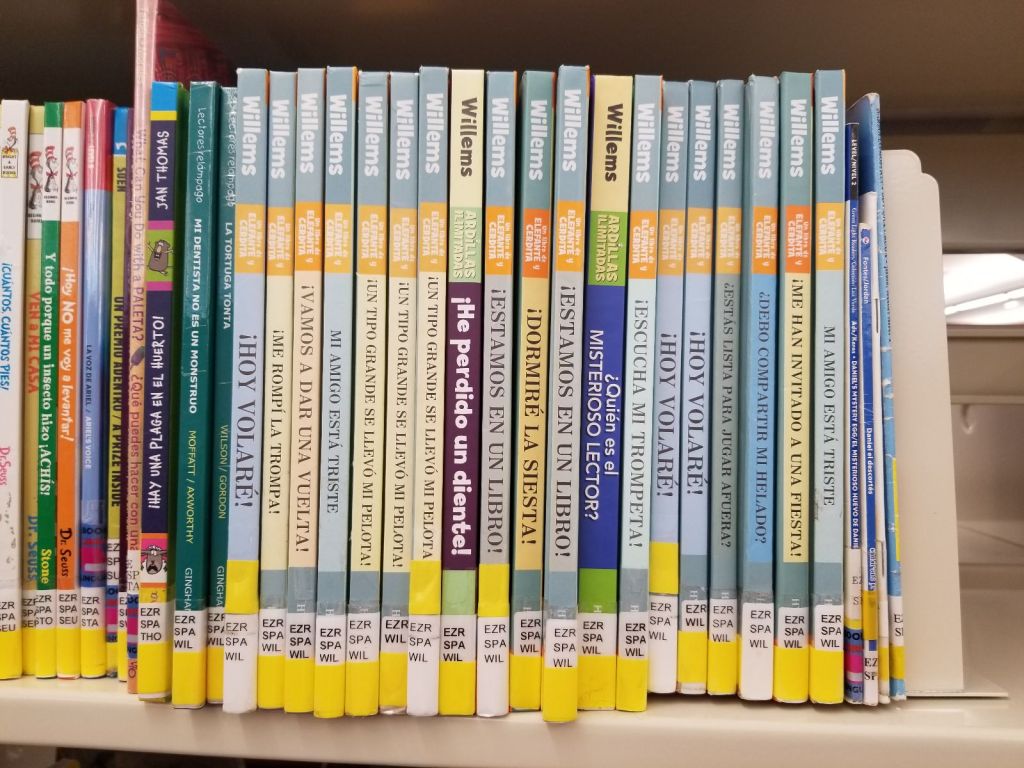
Mo Willem’s Elephant and Piggie Series.
Since these are easy readers, they have a controlled, repeating vocabulary. Some simple English words happen to be difficult to read and pronounce in Spanish (this goes for a lot of translations), but since there is repetition with Willems you’ll get plenty of opportunity to practice!
5.5 Advanced Classic Book Translations
I am going to include advanced titles in this post, as reference for mid or end of year readings. These translations are worthy enough in Spanish and carry their own idiomatic expressions and charm. With many rhyming books, it is impossible to keep original words and rhyme in a different language so translators definitely take creative liberty to rhyme en español. However, since there is an English version, readers get the gist of meaning rather than trying to make complete sense of a foreign language.
Bill Martin Jr’s Chica Chica Boom Boom

This one is a mouthful in Spanish, but you can still use it to practice letter names in Spanish. I have never tried singing along to the Spanish version but it still has a sing-song tone.
More Mo Willems…
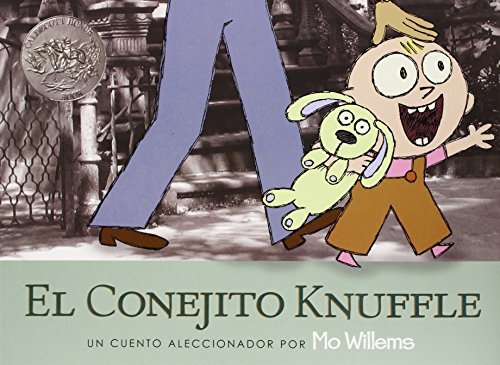
I would consider the Pigeon/ la paloma translations a little more advanced. As well as Knuffle Bunny. Unfortunately the other two books in the trilogy have not been translated.
Two at the Zoo/Dos en el zoologico by Dana Smith,
translated by Carlos E. Calvo

I received this and the title below as birthday gifts for my son years ago, and I love them! Since Two at the Zoo is a rhyming book, Calvo really makes the Spanish rhyming version worthy of its own reading. This is a great way to practice counting in Spanish from 1-10.
¿Dónde está la oveja verde? / Where is Green Sheep? by Mem Fox,
translated by Carlos E. Calvo

Again, the language is worthy of a fluent Spanish speaker, but the translation does not veer too much from the English version.
If you go and browse the Spanish collection at your local library you’ll find other classic children’s book authors like Oliver Jeffers’s Olivia series. It is really up to you to determine which will be too overwhelming for your family.
6. Original Bilingual Titles & Authors
These will most likely be shelved with the Spanish collection. Bilingual titles are more forthcoming in recent years. These can vary from Splanglish with a glossary of terms, like with Middleton Elya, to containing more advanced Spanish that works as code-switching for fluent Spanish speakers. Your children will likely be exposed to these books while going through the dual language program.
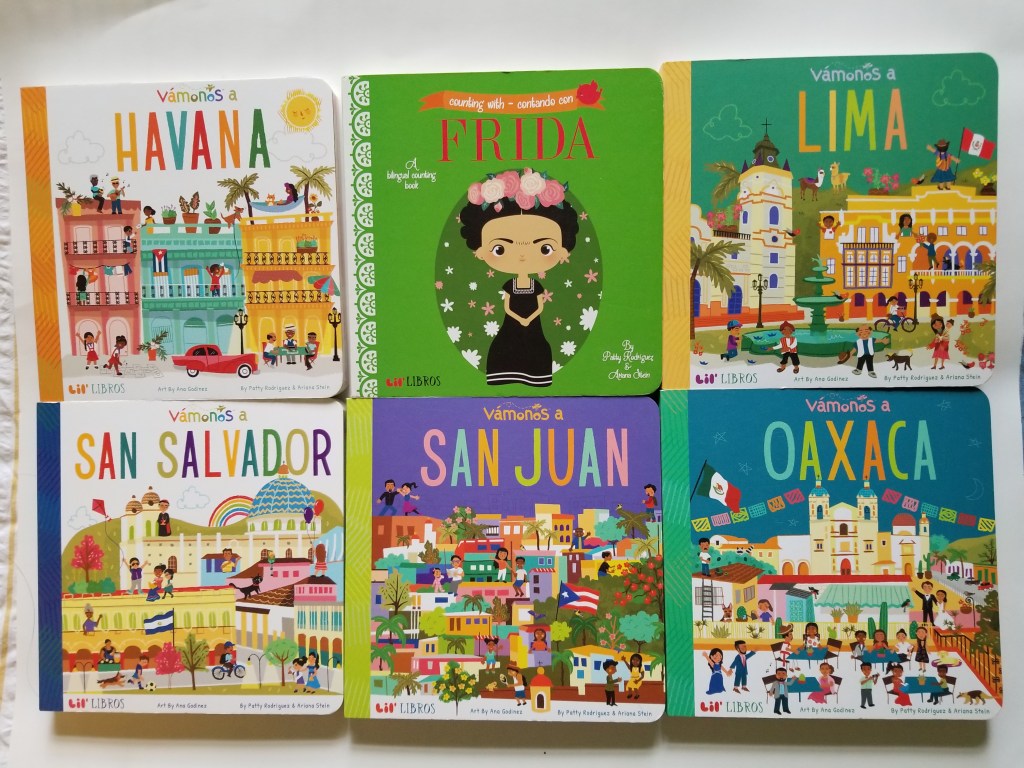
Also a “learning portal… for teaching bilingual little ones,” this independent publisher of mostly bilingual board books is based out of Los Angeles. Started by a couple of mothers, in the last decade, they have been churning out many trendy cultural books without forgetting the POP in culture. They highlight historical, celebrity, and folk culture. La Catrina series, for example, teaches vowels, numbers, colors, and emotions (You can count along with Frida as well) .
I love that Lil’ Libros does not take itself too seriously. I’ve joked that a lot of early bilingual picture books were actually NOVELS that focused on the struggle of being Hispanic or being part of two cultures. Although we may still be working on our traumas, Lil’ Libros focuses on the positive aspects and celebrates the culture. Not to mention the books are 100% toddler approved.
I purchased their Lil’ Loteria (bingo type board game) for my daughter, and at 2 years old, she can already match the 36 card deck on the six boards, while saying most of the vocabulary in Spanish.

Could I call Tonatiuh the Diego Rivera of children’s picture books? Idk. He might say he is not living up to that iconic level, but the thing is, his books are iconic! (He also wrote a biography of Diego Rivera… coincidence?.. or wanting to be known by association??) Once you see one of his titles, both authored and illustrated, you will recognize his style anywhere. I mean, just gaze upon this:
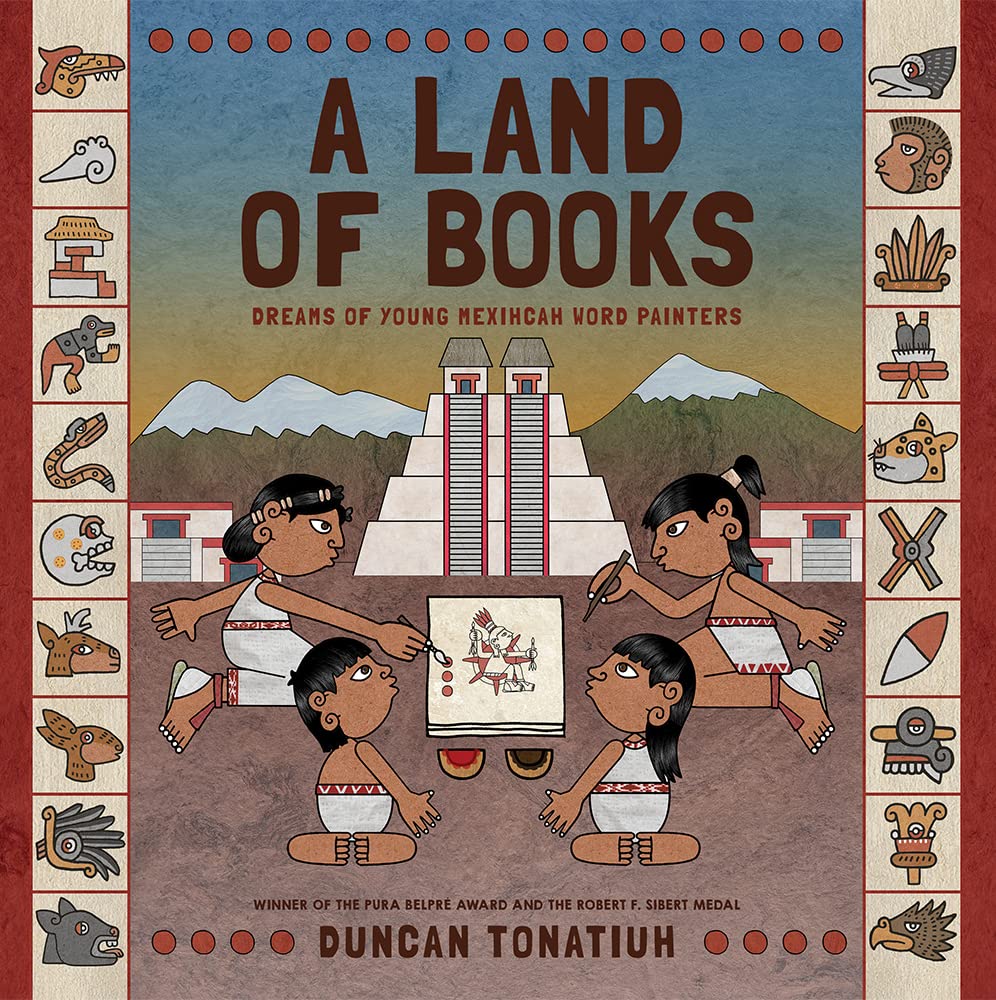
He writes about historical figures, Mexican mythology, the immigrant experience, salsa. The man could write about an ant crossing a blade of grass and make it EPIC (I suppose that is epic in its own proportion, haha). As his content is for older readers, his translations will stand separately in English or Spanish volumes. Tonatiuh includes Spanish, Nahuatl or other indigenous language in his narratives, and historical or cultural facts in the backmatter of his stories which make them informative and culturally enriching.
De la Peña is a writer who writes about the Mexican American/Chicano/Latinx experience. Not fluent in Spanish, his books still feature the Mexican American lifestyle and are often translated into Spanish (and other languages!), especially his collaborations with illustrator Christian Robinson.


You Matter is authored only by Christian Robinson, but since we’re talking about him, I will include his translation here. Each page has only one sentence or so of text, so it is a great option for beginning readers.

I would suggest to leave the Spanish versions of De la Peña’s books for when your child has a stronger vocabulary. He is a poetic and serious author. Because he sprinkles some Spanish and delves into culture in his English books I still consider him an ideal author for dual language students.
Yuyi Morales
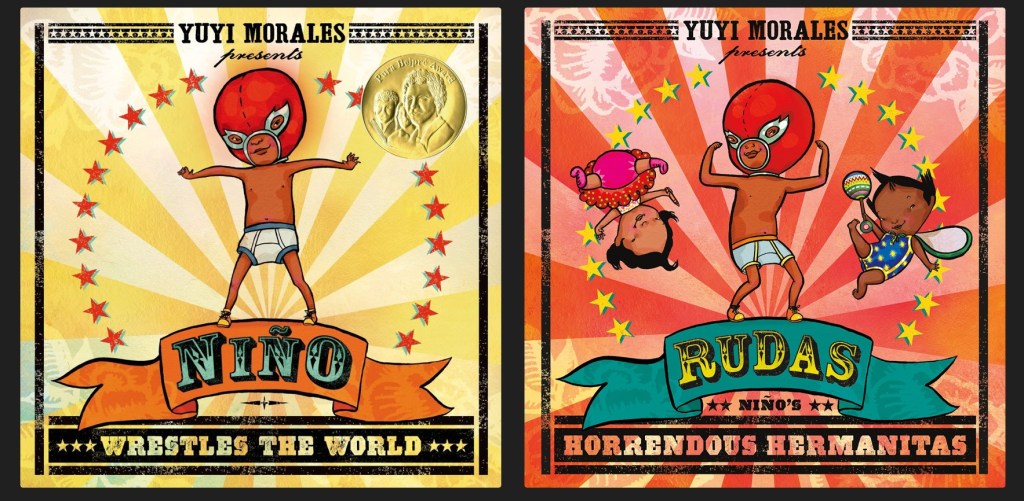
Morales is another poet and talented artist. There are whimsical titles to her name, but always with a sort of magical realism to them. Her Niño and Rudas work is more upbeat but she definitely makes you work on your Spanish, including many onomatopoeic words like “pachatas” and “recórcholis” that may appear nonsensical to non-native speakers. The titles are chock full of Mexican folk culture (the devil makes an appearance, ha ha) and are written predominantly in English.
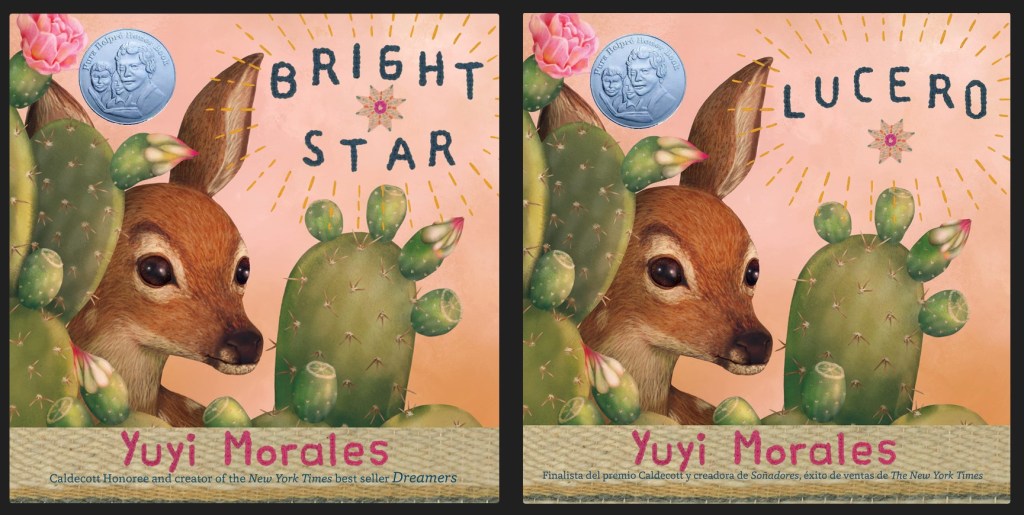
Her latest title is a call for indigenous and women’s rights and contains Spanish words in the English title.
Mi Ciudad Sings
Written by Cynthia Harmony and illustrated by Teresa Martínez
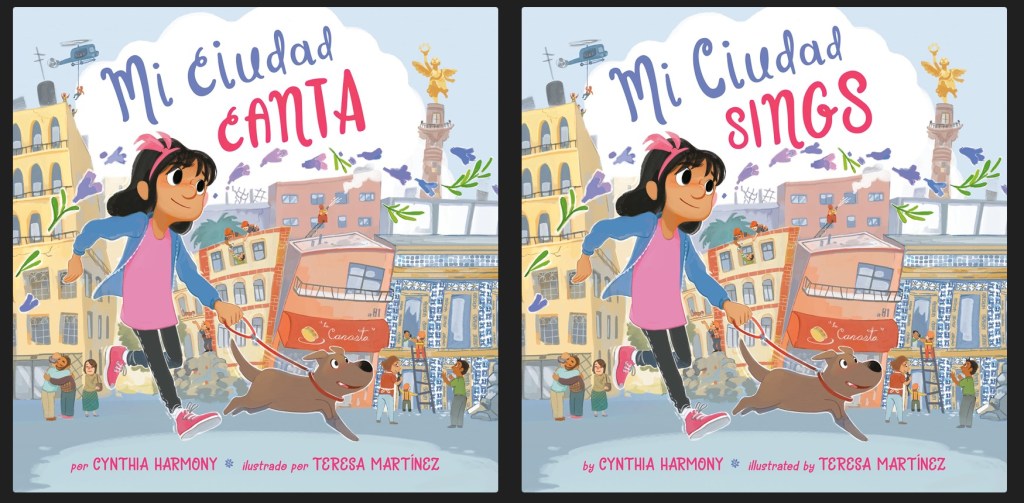
This is one of the latest Spanglish titles with a glossary that is also available in full Spanish. I read the Spanglish version to my toddler and she loves it! It is about the 2017 earthquakes in Mexico City. The author’s note also touches on the devastation of the 1985 earthquake. The book focuses on the strength of community and is gorgeously illustrated, as you can see.
Staying in the Know
A good way to keep on top of upcoming bilingual children’s titles or those focusing on the Latino/Hispanic experience is to look at the Pura Belpré illustration award winners, or by subscribing to my blog! Hopefully I can stay on top of my readings to get the word out to you! The simplest way is to walk into your local bookstore and browse the Spanish section, or a more affordable option: Visit the new books area of you local library and see what new Spanish titles are available.
In the Brazoria County Library System (BCLS), the Tom Reid Library does well on stocking up on Spanish titles. In Fort Bend County, I can vouch that the Missouri City Branch Library has a decent Spanish collection. One day I will trek out to Pasadena Library Central and see their updated Spanish collection (El Bolillo Bakery is within a 3 minute drive, as well as many other places to practice your Spanish lol). I visited the Barbara Bush Branch Library with a friend and was impressed by their Spanish collection. Remember that you can place titles on hold to be sent to your nearest location, either through what is available in the system or through Interlibrary Loan (borrows state or nationwide).
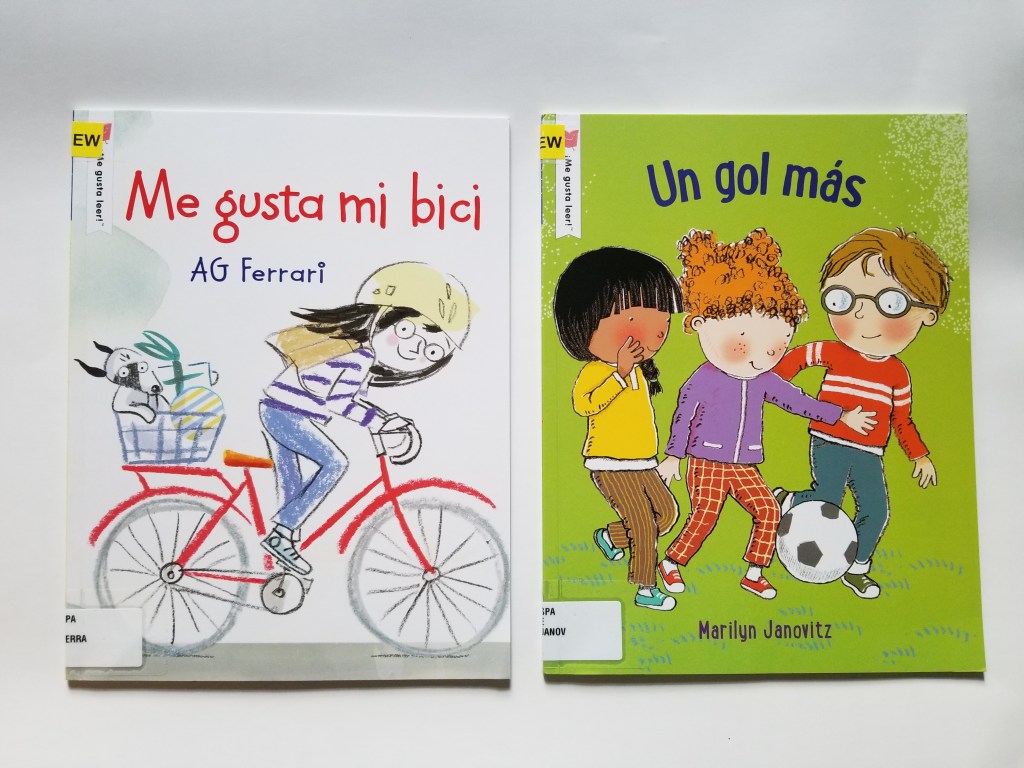
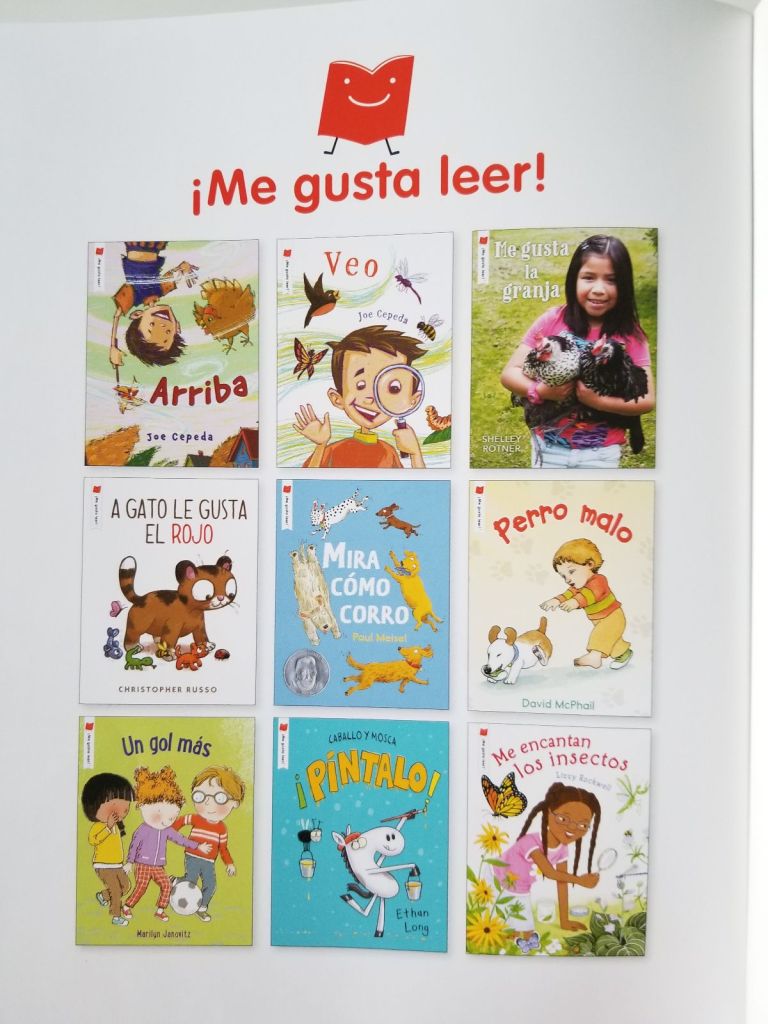
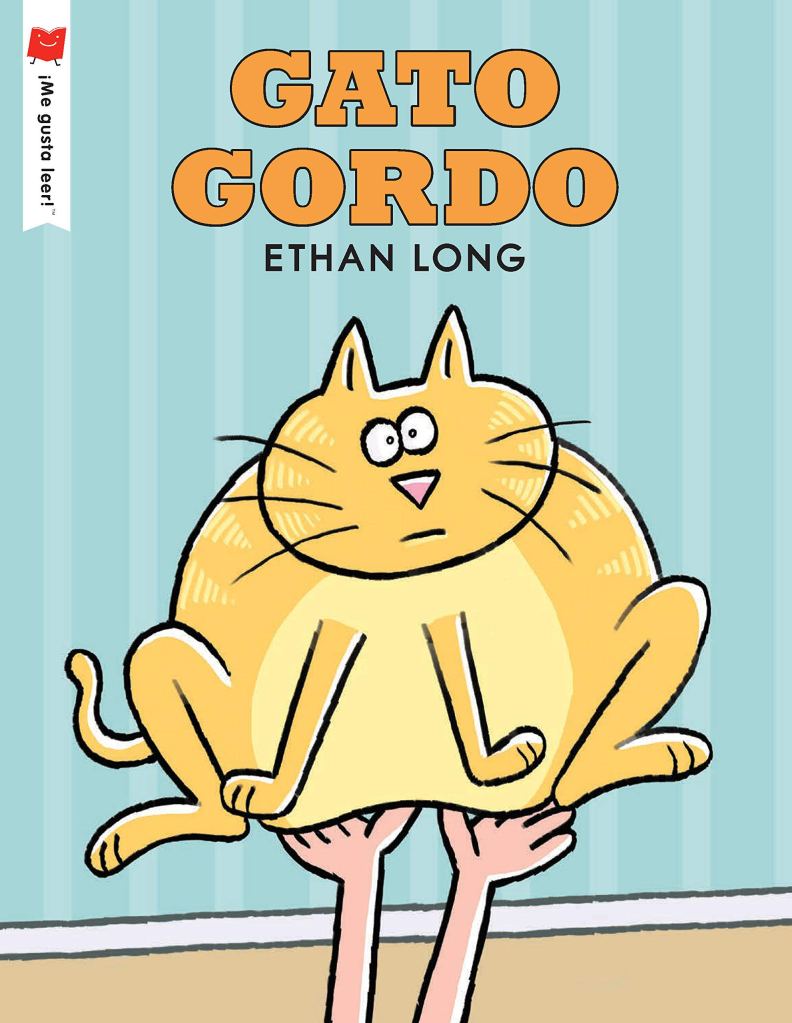
Translated from the I Like to Read series, these books repeat not only vocabulary, but the same phrase throughout the book. The illustrations are top-notch! A great option for Spanish language learners. Check out the Holiday House Catalog for the affordable $9/book series. Hopefully libraries can get more in the series. I have only seen these two titles in BCLS.
8. Bilingual/Spanish Magazine Subscriptions
High Five Bilingüe
Highlights actually offers a bilingual High Five subscription, recommended for ages 2-6! Finally! The stories are in full Spanish from one cover and in English from the other. It cost ~$40 for the 12 month subscription.

Oooor, you can get it for free from the library! Fort Bend County Libraries offers patrons access to a magazine database called Flipster. Under their “Books, eLibrary & More” tab -> Download Magazines->Flipster. Enter your library card number.
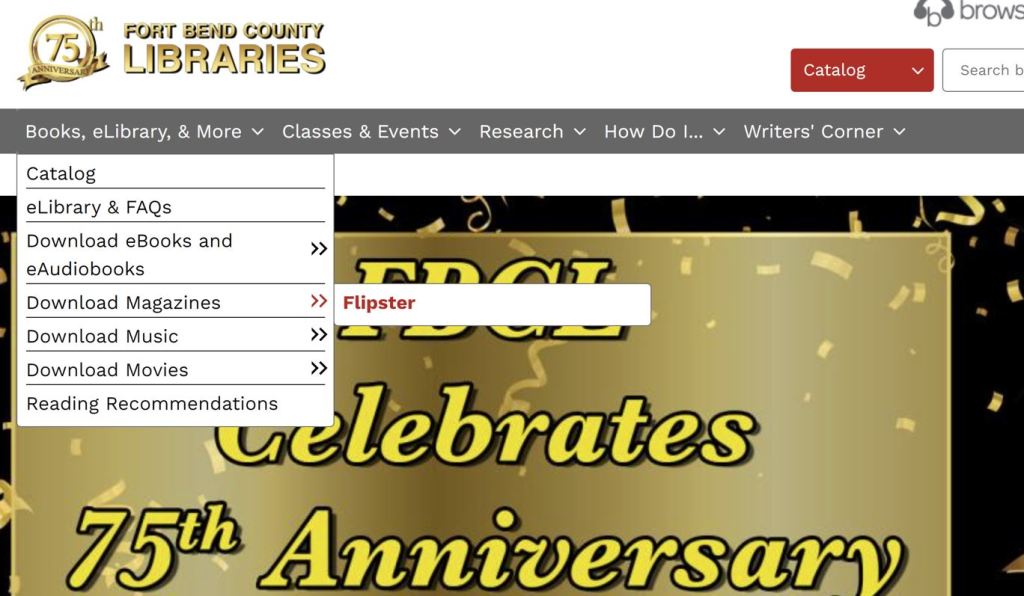
Once the database opens, click the “Spanish” category. Check out the issue! The bilingual version is just as easy to read as the English. You can read the issue on your desktop (details below) or download the Flipster app on you phone or tablet.

You may opt to still get the paper subscription, but at least this way you can give it a try before committing and save trees in the process.

BCLS offers this title through PressReader. You have to sign up by downloading the PressReader App first, as doing it on a desktop does not give you an option to enter your library card number. I registered while writing this blog but the app took forever to load publications… but here are the steps.
Download the PressReader app-> Select the Libraries & Groups option

Then enter your BCLS library card number and pin. You then create an account using an email address, password and give your first and last name.

Will have to update on the PressReader experience. But so far Flipster on the desktop has worked well for me.
Popi or Caracola
I actually did pay the $90 for a 10 month subscription (8 issues) of Caracola. It ships from the mother land: Spain! Caracola is definitely for those fluent in Spanish, and you will hit across the differences between Spanish from Spain, and Spanish from Texas. The publication is legit, however. I’m sure Popi is too! The publication began offering audio versions via QR code of their stories, which is a plus for non-fluent speakers.
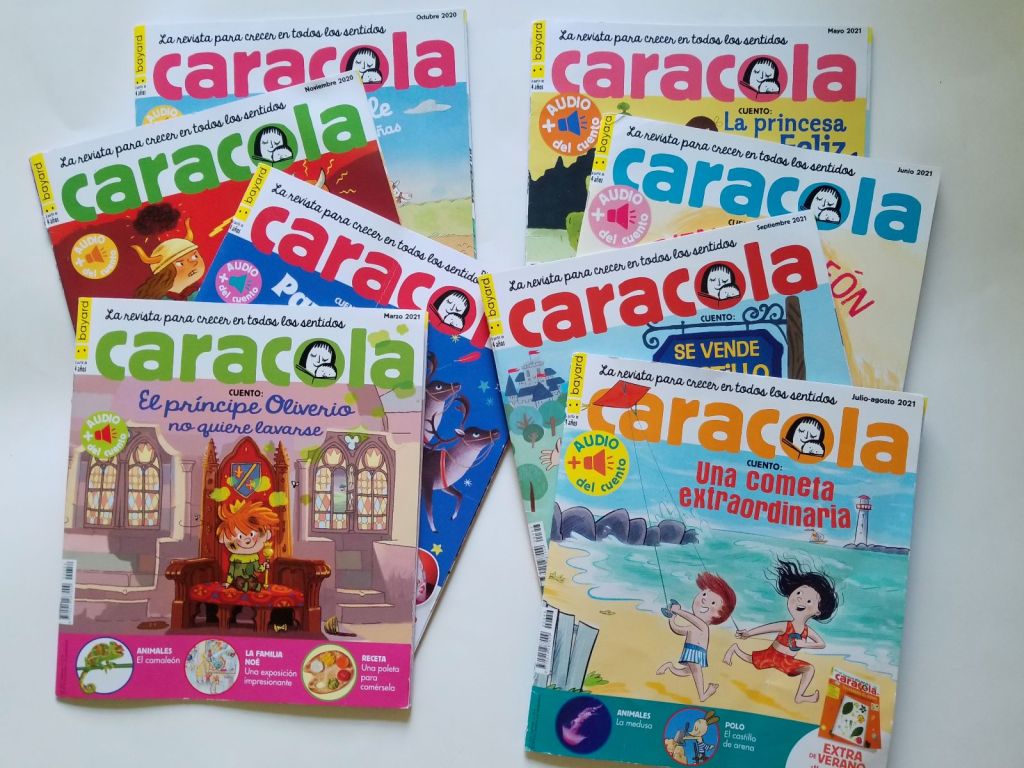
I sadly could not find online access to any of the Bayard’s magazines. You can pay the hefty price and wait extra for it to ship to you from across the Atlantic (on an actual, slow ship). Or you can check it out at a Fort Bend County location. I know for sure the Sienna and Missouri City Branches carry it. At FBCL, you can check out older issues of magazines too!

9. Watch and Listen to Spanish Content
Netflix, Disney+, Prime, almost all streaming services will have Spanish content or English content that is translated. Why not watch Encanto in Spanish? Switching language on Disney+ is a little tricky. You have to actually play the content, pause it, and then go to the menu and switch to Spanish. It will remain so for your account, not just that one particular show, so make sure you switch it back.
No se habla de Bruno, no no no
Listening to music in Spanish is a great way to welcome the language into the home without working too hard. You can opt for children’s music or listen to some classics. No hate to Bad Bunny, but the slower, more folksy, music is better for hearing the sound of the language, in my opinion.
Natalia Lafourcade’s homage to Agustín Lara (2012) is a modern take on classic songs, and completely child friendly. I like that all the songs are duets, so you can get a feel for other voices. Musas, her work with Los Macorinos, is as culturally enriching. You can put Silvana Estrada’s tiny desk concert of Marchita on repeat. And actually check out that whole series of NPR’s 2021 Hispanic Heritage tiny desk concert artists (I can’t vouch for obscene language on the others lol).
10. Find Ways to Speak Spanish
This is definitely an ongoing struggle even for fluent speakers. It is a struggle for the bilingual parents whose children refuse to speak Spanish. This is, HOPEFULLY, the biggest benefit of having your child in a dual-language classroom. Children feed off of children. Monolingual students will hopefully try to speak the other language to try to communicate with another monolingual student of the opposite language.
Set up “Spanish speaking” playdates!
This was an idea I’ve had and that a new dual-language mom suggested. If you have friends or family who speak Spanish (You live in Texas, you can find somebody!), ask that they only speak Spanish to your child. It will be easier for them to abstain from speaking English than for your child to attempt to speak Spanish.
Slowly Begin Forming Complete Sentences
Whether it is at a conversation playdate or over the dinner table, ask your child to try to relate a full thought out-loud in Spanish. You can start by forming the English sentence first, then translating.
Don’t Shy From Using Your Spanish in Public
If you hear someone speaking Spanish, respond in Spanish. When appropriate, like at your favorite Mexican restaurant or taco truck, place your order in Spanish (It could be as simple as “La numero 2”) Saying por favor y gracias to wait staff can go a long way in front of your child. Seeking out local places with cultural value like paleterias, panaderias, or snack stands (called preparadas) will ensure you use Spanish & get a treat while you’re at it!
Finalmente…
Gracias por leer mi guía. I will try to add more bilingual/Spanish content to this blog as I originally intended. I know most of my suggestions focused on Anglo or Mexican (American) experience but believe me that, luckily, bilingual picture books have much more Central and South American representation as well. Trying to create an introductory guide under time constraints definitely put me on the spot with what I know.
We have to remember that books are mirrors as well as windows. Latinos/Hispanics do not and should not only read about Latinos and Hispanics lol. This is why I upload English content as well.
Now that you’ve joined the bilingual side, please use your voice for advocacy! Walk into your library and request new Spanish titles be purchased, or you can fill out the purchase request form online.
I will leave the Spanish/English picture dictionary to your discretion 😀 Was there anything else bilingual I forgot to mention or that you would like featured? Leave a comment below.

 Biblioterika
1 Comment