With echoes of The Mixed Up Chameleon and the phrase “nopal en la frente,” Kiera Wright-Ruiz and Claudia Lam present a quirky but potent narrative to accepting oneself!
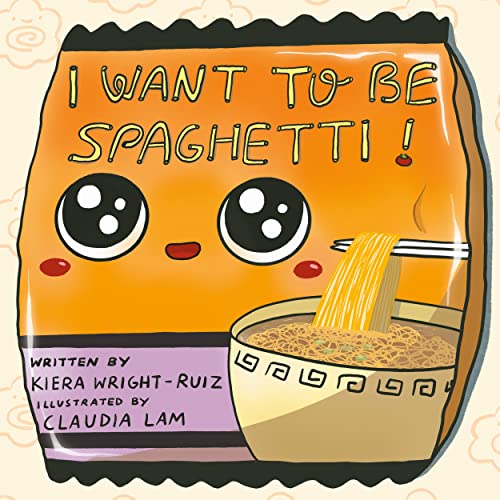
In I Want to Be Spaghetti! a little package of ramen wishes to be what
“everybody loves” and knows. His aisle neighbors are dumbstruck and outright puzzled that ramen could be so incredulous. They remind Ramen that “ramen is very popular! and cool!” to no avail. In the commotion, Little Ramen is picked from the shelf and persists on the delusion that he will become spaghetti served with meatballs, tomato sauce and herbs. He soon meets chashu, egg, narutomaki, fish cake, and nori, who are similar in features as Ramen and are proud of who they are. Ramen thanks them for showing him to accept himself!
The book may read a little dogmatic, but Lam saves the narrative with her anime-like illustrations. Lam’s cinematographic stroke gives the impression of watching an animated film rather than looking at a two-dimensional picture book. Wright-Ruiz’s narrative serves to teach children (and adults) not versed in Ramen about what ingredients go into it. Many cultures are identified by their food, so having a Ramen want to be spaghetti carries the punch of cultural rejection in a condensed package.
As bilingual and multiracial people, some of us and our children may find fault with the way we look because it does not seem to fit a mainstream mold. We may harshly judge people who attempt to appear more Anglo/European, despite their looks obviously being otherwise. This book is a great reminder to appreciate ourselves for who we are, and gives hope that, given the right company, delusion may fade for confused souls too.
Wright-Ruiz’s author’s note illuminates readers about noodles, a dish typically associated with Italy, and gives it Asian origins: a bowl of noodles dug up in China was over 4,000 years old!
Translation difficulty: Medium. You will have to look up ingredients for translations. It will be easier to read in English and discuss the importance of being true to oneself in a native language.
There are many books that focus on identity especially when it comes to names. However, there is also the issue of multiracial children looking differently than each of their parents. I will continue to feature these books in later posts, for now, below are some recently published titles!
The Boy Who Tried to Shrink His Name
Written by Sandhya Parappukkaran, illustrated by Michelle Pereira
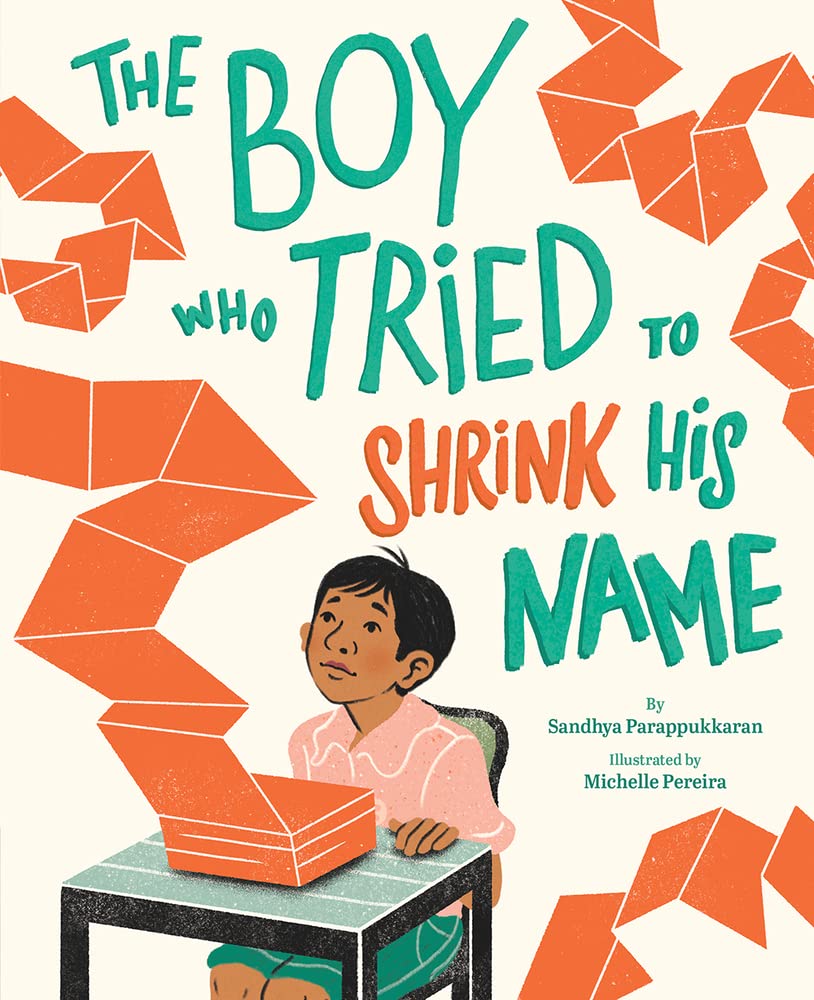
Zimdalamashkermishkada wants to shrink his name on the first day of school. Although his nickname is easier for everyone else to say, he feels something is missing. Pereida does a phenomenal job of visually portraying feelings in this volume: a long string represents Zimdalamashkermishkada ‘s name, and a huge puffer fish blows up to demonstrate the anxiety he feels at having to introduce himself.
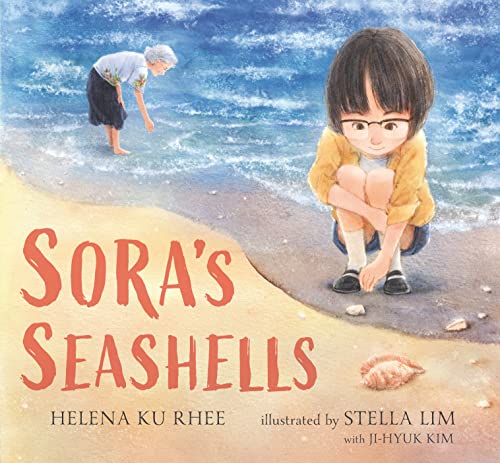
Sora’s Seashells
Written by Helena Ku Rhee, illustrated by Stella Lim & Ji-Hyuk Kim
A title that features the grief of losing a grandparent as well as identity. Sora’s Korean grandmother leaves her with her name: “Sora means seashell”, and she will not be going by Sara.
I Am Whole
Written by Shola Oz, illustrated by Shifa Annisa
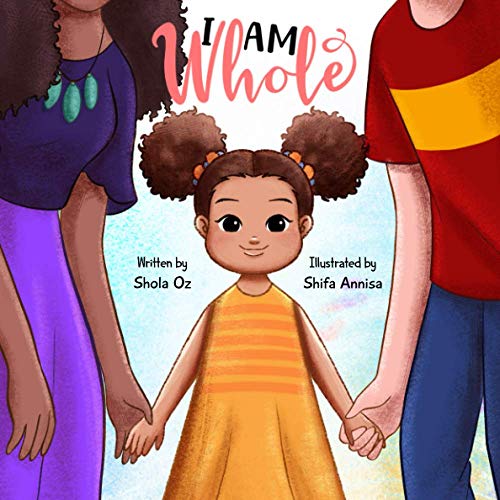
I love that this title affirms that a mixed raced person is not half this and half that. I know opinions differ politically, but genetically we are all a mix of races, including many political and ethnic identities. We are the sum of both parents. For mixed kids this means they embrace two sets of cultures and traditions.

 Biblioterika