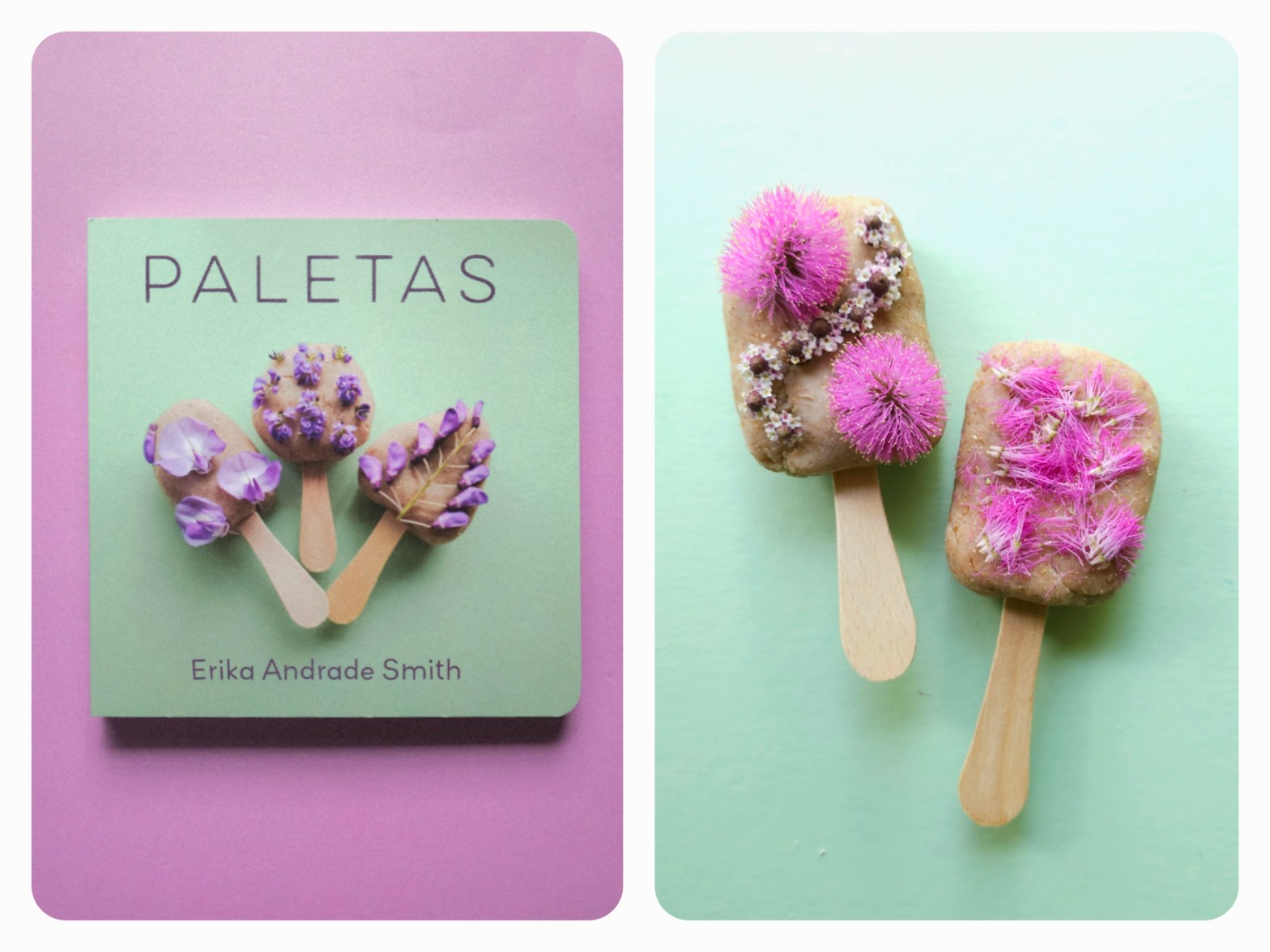
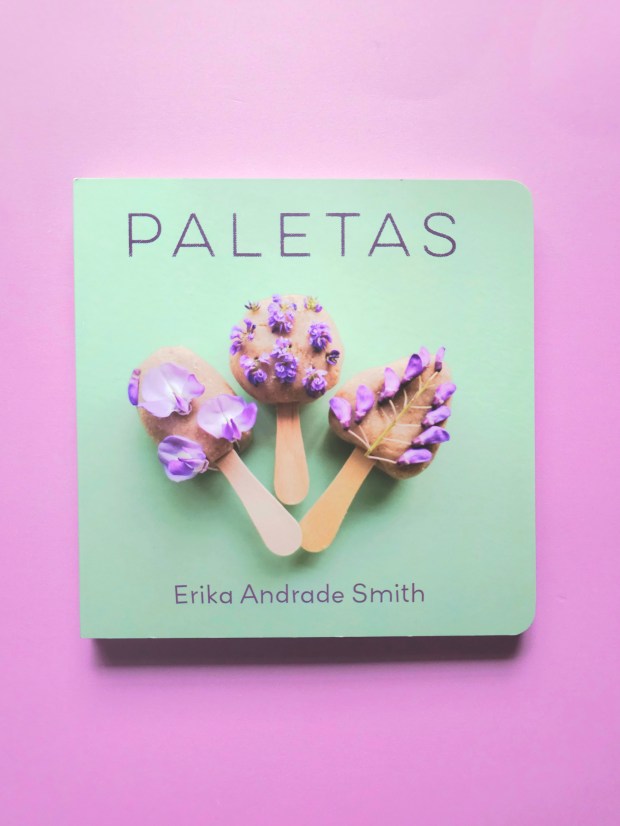
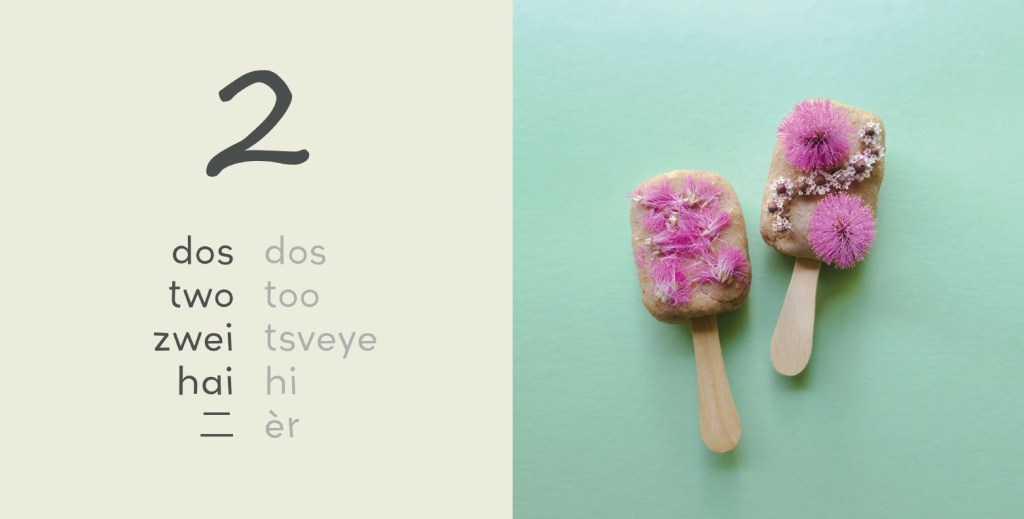
You have a copy of Paletas 1-2-3!! If not, you may purchase a copy from Dreamers Books + Culture or send me an order form! Let’s get to the sound of the different languages first! Below is audio of numbers 1-10 in the five languages included in Paletas. They all include the English version of the numbers so you know how to pronounce them.
Listen to the languages! / ¡Escuchemos los idiomas!
Spanish / español
German / alemán
Vietnamese / vietnamita
Mandarin / mandarín
Thank you to my friends Tuyen for voicing the Vietnamese numbers and
Ming for voicing the Mandarin numbers. Yours truly is voicing the Spanish & German numbers.
Why these languages?
In the United States, after English, Spanish is the secondly most spoken language. Chinese is 3rd, and Vietnamese 4th. In Texas, Spanish is 2nd, Vietnamese 3rd, and Chinese 4th.
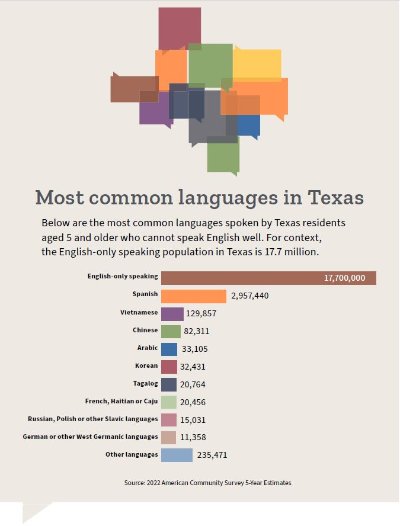
Spanish – The unofficial second language of Tejas by a great margin on other languages as well as the world! According to the Centro Virtual Cervates, Spanish ranks 2nd as a mother tongue & 4th most spoken language in the world. By 2060 the U.S. will be only behind Mexico in Spanish speaker population. Let’s keep the Spanish speakers coming with Paletas 1-2-3!
German – English is a Germanic language, it is cousins with German. Germany is the 3rd world economic power and many Europeans learn German as a second languge. Texas has predominant German heritage in the hill country in places like Fredericksburg, New Braunfels, Gruene, Brenham –There’s even a New Berlin, Texas! I learned German in high school, and took classes at San Jacinto College. The University of Houston offers German as a modern language major and minor, as well as Rice University. I wanted to give children opportunity to see this language before a high school or college course. Americans with German heritage are pretty assimilated and do not speak the language anymore, which I think is a bit sad.
Mandarin – The United Sates has a Chinese population of 5.5 million, with about 283,000 Chinese residents living in Texas. Many public libraries in major counties in Texas feature a mandarin collection. Universities in the state also offer Mandarin as a second language and undergraduate degrees. China is the second economic power, so it behoofs us to pay attention to their language, as we may be seeing it more and more.
Vietnamese – As you can see in the graph above, Vietnamese is the third most commonly spoken second language in Texas. The greater Houston area and West Pearland in particularly make up the second largest Vietnamese population in the United States, after California. The community deserves representation in books!
For amazing graphics on foreign languages spoken in Texas, read this article.
Acculturation vs Assimilation
These large ethnic populations means that the local demographics are changing in the Houston area. There are children growing up with a foreign born Hispanic, Chinese, or Vietnamese parent and an American parent. They are a mixture of languages and cultures but they may never have visited Mexico, China or Vietnam. This changes what it means to be “American.”
Paletas 1-2-3 is designed so children see themselves represented: “I speak English, but I also speak or hear Vietnamese. I am part of both cultures.”
Assimilation means being absorbed into the dominant culture. Despite the discrimination of German-Americans during the world wars, it was easier for them to assimilate into the mainstream way of thinking because 1) they were further removed from their motherland by the 1900s and 2) Physically, they looked more “American” in that they have blue or green eyes and blond hair: it was easier to blend in and not be asked “where are you from?”
It has been harder for other groups to truly assimilate mostly because they look different than the traditional portrait of “American.” But as we know, the American look is becoming more and more diverse, especially in metropolitan areas such as Houston, Austin, San Antonio and Dallas/FW.
The younger generations are more likely to be acculturated: Able to keep pace culturally with their classmates in public school or parks, but going home to enjoy a traditional home made meal. They live in the dominant culture but are also growing up celebrating holidays & observing traditions that are not mainstream.
Many Chicano & Asian-American literature focuses on feeling part of neither here nor there: Paletas 1-2-3 seeks to change that narrative. You are both from here (mostly) and a little bit from there. This does not make you less Asian, Hispanic, German… It just means your experience is different, and you don’t have to beat yourself up about it!
Wildflowers
The social studies crash course is for the parents/adults. Kids learn better through play! Paletas 1-2-3 complements my first book Papas y papas in that you can use playdough in both. Although I did not make the numbers with playdough, children can certainly trace or emulate the numbers on the side.
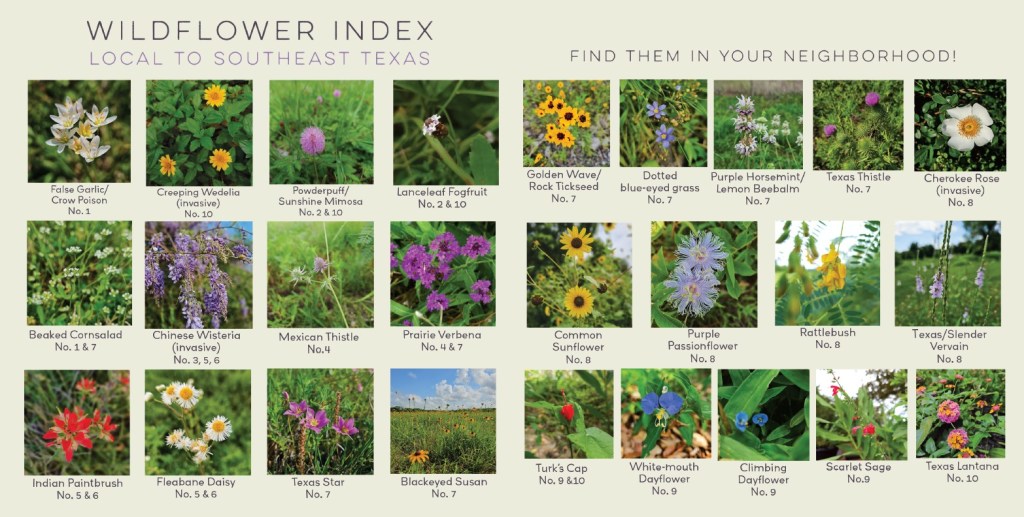
Mostly though, it is so they can make paletas, or popsicles, using backyard wildflowers! (Or store bought—we can take it one step at a time.) I have always loved garden flowers & flowers in general. Every time we go on vacation I make it a point to visit the local botanical garden or take a local hike to enjoy the local nature.
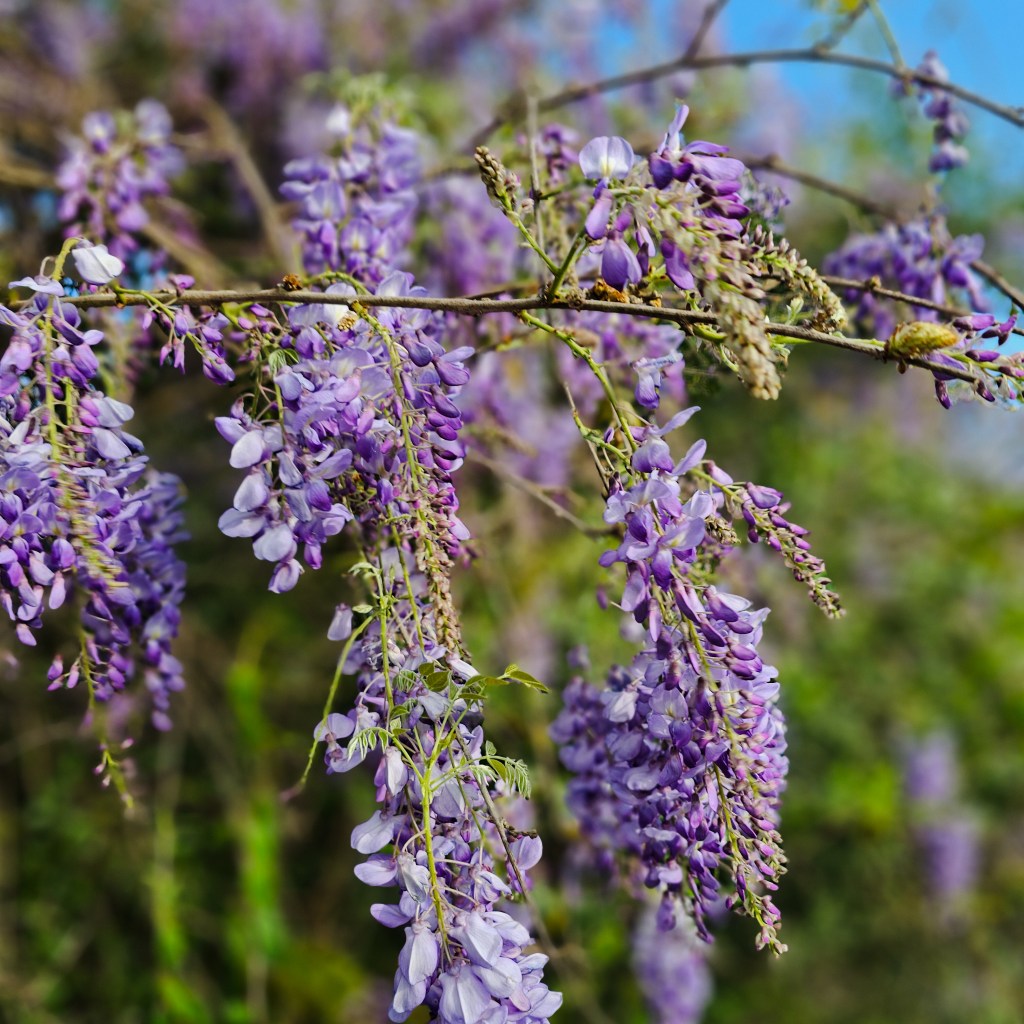
I have been lucky to see botanic gardens in: Christchurch, New Zealand; Dallas, Fort Worth, San Antonio, Bastrop, our local Houston, Texas garden, and Denver, Colorado. In Austin I love visiting the Lady Bird Johnson Wildflower Center which I used as a source for my wildflower index above! The Hoʻomaluhia Botanical Garden in Oahu, Hawaii was breathtaking & inspirational, as was walking up to Manoa Falls. So many hikes in O’ahu were self-transcendental! One of the benefits of taking nature walks is to connect with a higher power. For more on this concept read The Righteous Mind by Jonathan Haidt.
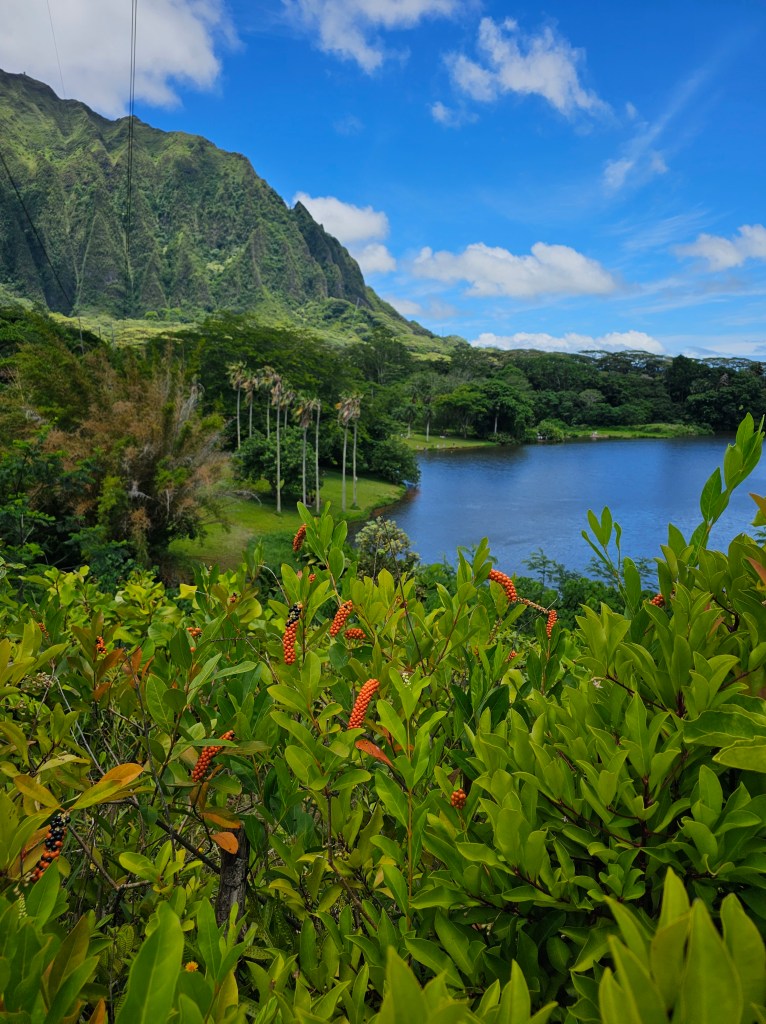
I know our nature is not as exhilarating as Hawaii’s. We have a modest beauty to claim, but believe that there is beauty in southeast Texas! Paletas 1-2-3 hopes to inspire a scavenger hunt walk in your neighborhood, street, local and state parks to find these precious flowers that reminds us how lucky we are to be alive & marvel at their beauty.
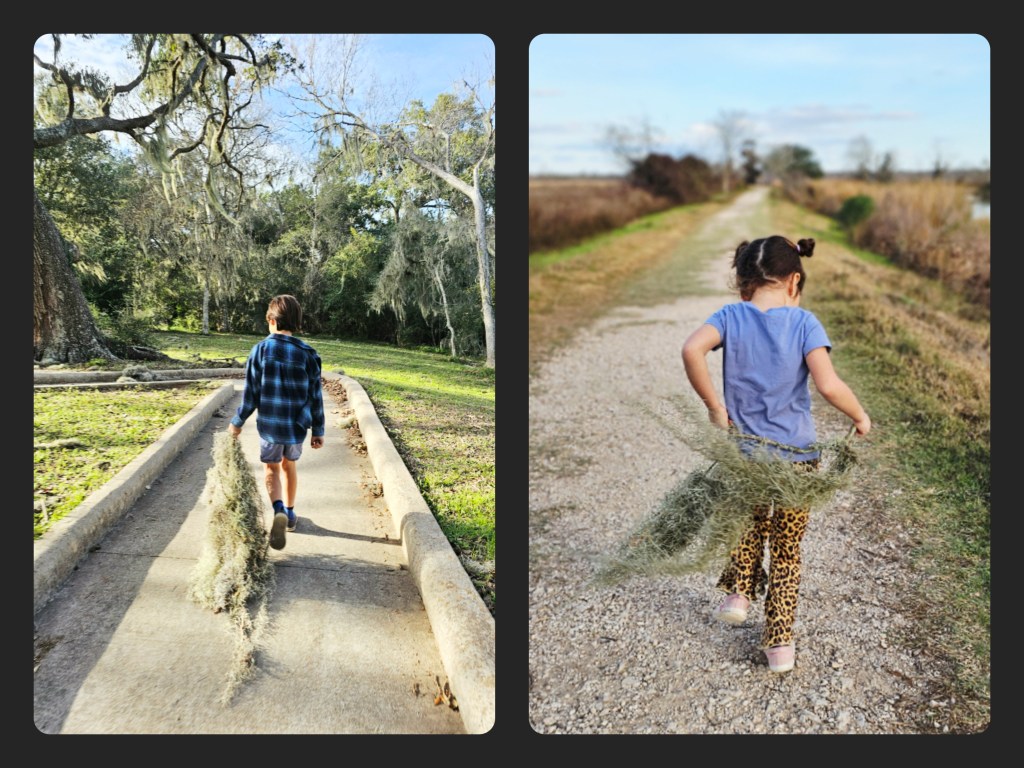
Here are my kids playing with Spanish moss at Brazos Bend Park.
My sister in law actually was the one who wanted to go on a first day walk this year. She has lived in the San Francisco bay area for over 10 years, and this visit she was craving a look at our local nature! She definitely enjoyed her hike, and I saw our flora with refreshed eyes and appreciated it even more: our massive oak trees covered in ferns, the sunbathing alligators, the colorful wildflowers adorning our highways. We have a greenery that is not seen in other states!
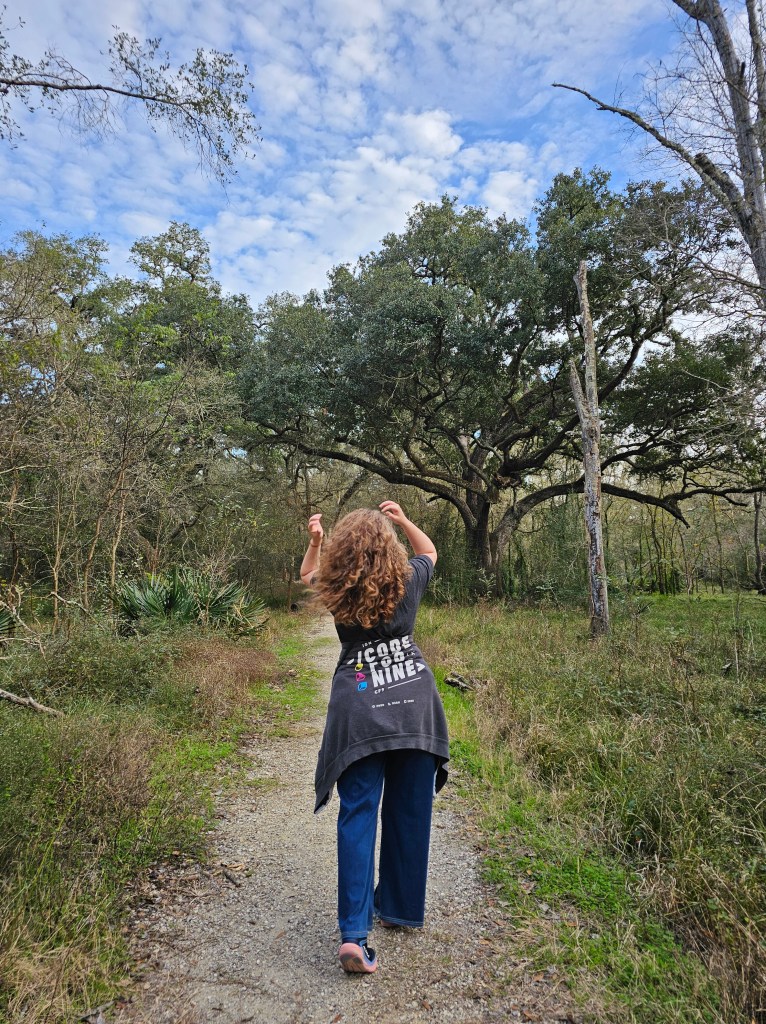
We live here, we should make the best of it. Despite our gloomy, wet winters and our scorching, humid summers. We have people emigrating and immigrating to Texas by choice! And there’s hotter and more humid places in the world. Let’s welcome our new neighbors, show them around, prove that we are proud & willing to coexist in our neck of the woods.
Gratitude
This book was inspired by our Tinkergarten leaders Lindsay Shepperd and Amber Reynolds. Nature play teachers in the Pearland area, they helped me see the beauty in our nature.
Attending Tinkergarten classes when my son was 18-months old connected me with other new and seasoned moms so that the stay-at-home life felt less lonely. Lindsay with her Scottish accent made class seem even more fairy-like!
Last year, Amber sent me a text after I had gotten through presenting my alphabet book in her outdoor classroom: “You could make a counting book with your paletas!” I replied and said: “YEES! That would complement Papas y papas so well: You got it!”
She was referring to nature-play popsicles I had made back in October of 2020. Making these paletas felt second nature to me, but Amber loved the concept so much she weaved them into a class. Well, Amber, you have your official paletas book for class now!
I tried to retain the original background color & better hydrated my dough for the official board book, haha. I want to thank these two women for reminding me of the way I played in Mexico with my sisters. Especially when we would visit my grandma in el rancho, we would make mud pies and candy out of rocks for our tiendita. We would play outside for hours!
If it wasn’t for Tinkergarten, Lindsay, and Amber, I probably would have forgotten than nature is a child’s best toy. That nature is a parent’s best gateway for patience and emotional regulation. I hope Paletas 1-2-3 can be a link for mothers & kids to find & appreciate our local nature.
Let’s go outside!

 Biblioterika
1 Comment